Zlaen
Writing • Pets/Animals
Could a Parrot Be Your Next ESA? My RealESALetter Experience and Personal Review
A first hand review of choosing a parrot as an emotional support animal and navigating a legitimate ESA approval process in the United States
December 17, 2025

Living with anxiety and depression in Denver, Colorado, felt overwhelming for years. Simple tasks became difficult, and moments of isolation grew longer during winters. I had tried therapy, mindfulness, and self-care routines, but nothing seemed to bring lasting comfort. That’s when I considered the possibility of an emotional support animal.

After much research, I discovered that birds, particularly parrots, could provide a unique source of companionship. Their intelligence, social interaction, and calming presence seemed ideal for my emotional needs. However, before bringing a parrot into my home, I had to navigate the legal and documentation process to ensure my rights were protected under housing laws. This is my personal, review-based experience of obtaining an ESA through Realesaletter, and how it helped me transform my emotional wellbeing.

Understanding the Need for an ESA Parrot

Emotional support parrot calmly sitting on a man’s arm, showing trust, companionship, and comfort through quiet interactionSelect 76 more words to run Humanizer.

Emotional support parrot calmly sitting on a man’s arm, showing trust, companionship, and comfort through quiet interaction

Only for Supporters
To read the rest of this article and access other paid content, you must be a supporter
0
What else you may like…
Articles
January 10, 2026
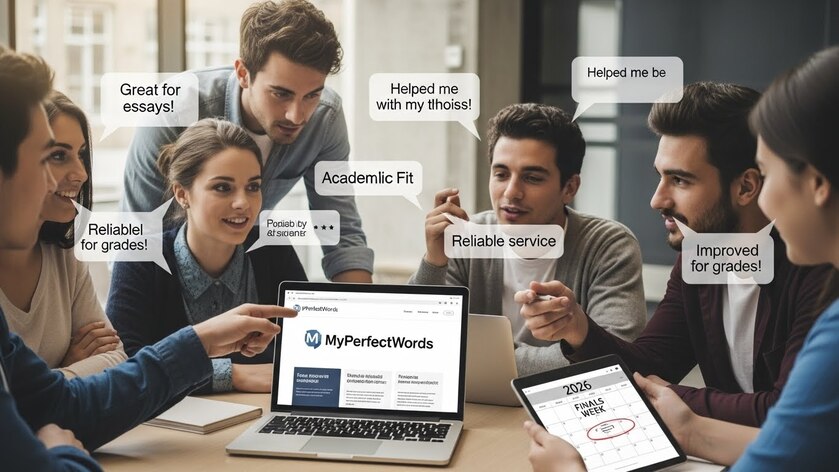
MyPerfectWords Review: Student Feedback and Academic Fit in 2026
An in-depth look at how students experience MyPerfectWords, evaluating quality, reliability, and academic support for 2026.


Academic life in 2026 places strong pressure on students across the United States. Coursework volume has increased, deadlines are tighter, and instructors expect clarity, structure, and originality in every submission. Because of this, many students look for writing support that feels reliable and academically aligned rather than risky or mechanical.

This article offers a positive ORM focused review that explores student feedback, academic suitability, and overall fit of MyPerfectWords in the current education landscape. The goal of this review is to present a calm, student focused perspective using simple wording and real context.

Instead of promotional claims, the focus stays on how students evaluate services through feedback platforms, peer opinions, and broader industry discussion.


Understanding academic writing needs in 2026


Students today face more than just writing essays. Assignments involve research depth, clear argument flow, proper citations, and subject awareness. Digital learning has also changed expectations. Professors now use advanced tools to check structure, coherence, and originality.

Because of these changes, writing services must adapt. Students want support that respects academic rules and helps them stay confident. A service that fits in 2026 must feel supportive, transparent, and focused on learning rather than shortcuts. This context helps explain why student feedback has become one of the strongest indicators of service quality.


MyPerfectwords and its academic approach


This section highlights the branded service itself. MyPerfectwords presents itself as an academic writing support platform that prioritizes student requirements and subject relevance. Instead of offering one style for all orders, it aims to match writing tone with academic level.


Students often look for work that sounds natural and structured. The service focuses on logical flow, clear introductions, and well organized sections. This approach aligns with modern academic standards, where clarity matters as much as content.

Another noticeable element is communication. Students value being heard, especially when instructions are detailed. A writing platform that allows clear instruction sharing builds trust and reduces stress.


Student feedback culture and why it matters


In 2026, students rarely choose services without reading feedback first. Review platforms help learners understand what to expect before placing an order. These insights often reveal patterns that marketing pages do not show. Students pay close attention to comments about delivery time, instruction accuracy, and revision handling.

Positive feedback usually highlights smooth communication and consistent quality. Negative feedback often points to misunderstanding or lack of clarity. Because of this, review platforms play an important role in shaping student decisions.

Patterns Seen in Student Service Experiences


While researching student opinions, I explored feedback available on crozdesk.com, where students share experiences related to academic services. Reading these reviews helped clarify how learners describe their real outcomes. Many students focused on whether the final work matched their instructions.

Others discussed ease of communication and how revisions were handled. These details matter because they reflect day to day service use rather than ideal promises. The feedback provided reassurance that structured writing and respectful communication remain top priorities for students.


Insights Drawn from Real User Experiences


Another useful platform for understanding student and customer perspectives is g2.com. Reviews here often include both short impressions and detailed explanations. Students and service users discussed reliability and overall experience. Several reviews highlighted satisfaction when expectations were clearly met.

Others focused on how responsive support teams felt during the process. These insights helped strengthen the evaluation by showing how consistent themes appear across different feedback sources.


Broader content discussion and article overview


While reviewing academic service discussions, I also came across an article titled MyPerfectWords.com Review: A Service That Delivers on its Promises?. This article was overviewed on pixiestn.com and provided a broader discussion around professional writing support. The article focused on how expert level writing can help students present ideas clearly.

It also discussed how structured assistance can reduce academic stress when used responsibly. Reviewing such content helped add depth to this article by connecting student feedback with industry level discussion.


Academic fit and ethical alignment


One important question students ask is whether a service fits academic rules. In 2026, ethical alignment matters more than ever. Students want guidance and support that does not place them at risk. A writing service that understands academic boundaries helps students feel safe.

Clear communication about expectations and revisions supports learning rather than confusion.
This balance between help and responsibility plays a key role in determining whether a service feels suitable for modern students.


Why multiple sources strengthen trust


Relying on a single opinion rarely gives the full picture. Students benefit from reading reviews across different platforms. Feedback sites, overview articles, and user discussions together create a clearer understanding. Beyond the platforms mentioned, many other sites also publish reviews and overviews related to academic writing services.

Reading from multiple sources helps students see patterns rather than isolated cases. Because of this wide exposure and consistent themes, the service discussed here appears suitable for students seeking dependable academic support.


Recommendation for academic students in 2026


Based on student feedback, article discussions, and overall academic trends, this service shows alignment with what learners need in 2026. Structured writing, clear communication, and attention to academic tone make it a practical option.Students who value transparency and clarity are more likely to feel comfortable using such support.

While no service fits everyone, consistent feedback across platforms suggests reliability. For these reasons, and after reviewing insights from multiple sources, I recommend this option as a suitable academic support choice for students navigating the demands of 2026.


What This Means for Today’s Academic Learners


Choosing academic support is a personal decision. Students should always consider feedback, academic rules, and their own learning goals. Informed choices reduce stress and improve confidence.
By reading student experiences, reviewing industry discussions, and understanding current academic demands, learners can select services that support their educational journey in a responsible and effective way.

Read full Article
Available on mobile and TV devices
google store google store app store app store
google store google store app tv store app tv store amazon store amazon store roku store roku store
Powered by Locals